Timing Is Everything: A Central Pennsylvania Seller's Guide to Listing at the Right Moment
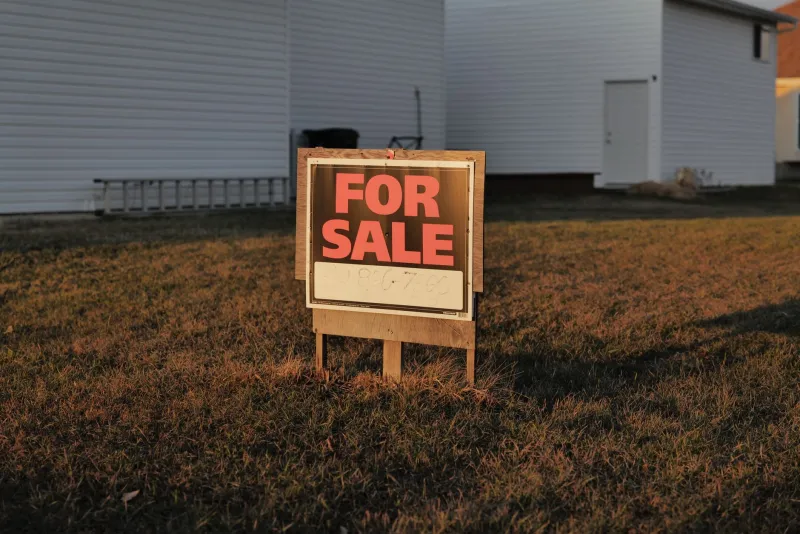
Selling a home involves countless decisions—pricing, staging, agent selection, and negotiation strategy among them. Yet one variable that sellers frequently underestimate is timing. In Central Pennsylvania, seasonal market cycles are pronounced, shaped by the region's distinct four-season climate, the academic calendars of institutions such as Penn State University, and the particular lifestyle rhythms of communities stretching from Harrisburg to State College and beyond. Listing at the wrong time of year does not necessarily doom a sale, but listing at the right time can meaningfully improve both the final price and the overall experience.
Why National Trends Don't Tell the Whole Story
National real estate data consistently identifies spring—roughly March through May—as the strongest selling season across the United States. That broad conclusion holds true in Central Pennsylvania as well, but the regional nuances matter considerably. The Susquehanna Valley's winters are more severe than those experienced in mid-Atlantic coastal markets, which compresses the active buying season into a narrower window. Meanwhile, the presence of major employers, state government offices in Harrisburg, and a substantial university-adjacent population in Centre County creates demand patterns that diverge from the national average in meaningful ways.
Sellers who rely solely on national headlines risk misreading their own local market. The data that matters most is hyperlocal—drawn from counties such as Dauphin, Cumberland, York, Centre, and Lancaster—and it tells a story that is simultaneously aligned with and distinct from the broader national narrative.
Spring: The Peak Window for Seller Advantage
In Central Pennsylvania, the spring selling season typically gains momentum in late March, once consistent above-freezing temperatures encourage buyers to begin their searches in earnest. April and May represent the strongest months for seller leverage across most of the region. Inventory, while rising during this period, generally has not yet caught up with the influx of motivated buyers who spent the winter months browsing listings online and preparing their finances.
Several factors converge to create this advantage. Families with school-age children are eager to close transactions in time to settle before the following academic year begins. Buyers who were sidelined during winter—whether by weather, holiday commitments, or a desire to wait for more listings—re-enter the market simultaneously, increasing competition. Homes also present more favorably in spring: landscaping is in bloom, natural light is abundant, and properties that may have looked uninviting in January take on a more appealing character.
For sellers, this translates into measurable outcomes. Properties listed in April and May in Central Pennsylvania have historically attracted more offers, sold closer to or above asking price, and spent fewer days on the market compared to listings entered during other seasons.
Summer: Strong Demand With a Notable Asterisk
June and July remain active months in Central Pennsylvania, and sellers who missed the spring window should not be discouraged. Buyer demand stays relatively robust through the early summer period, and the longer daylight hours make scheduling showings more convenient for working buyers. However, August presents a more complex picture.
In communities with significant ties to Penn State and other regional universities—including Bellefonte, Lewistown, and surrounding areas—August activity can be disrupted as families finalize arrangements related to the academic year. Additionally, the summer vacation season draws some buyers out of the market temporarily. Sellers listing in August should be prepared for a slightly longer average time on market and, in some price ranges, modestly reduced competition among buyers.
That said, summer listings benefit from one underappreciated advantage: reduced competition from other sellers. If your property is well-positioned and priced appropriately, the relative scarcity of competing listings can partially offset the dip in buyer volume.
Fall: An Underrated Opportunity for the Right Property
September and October occupy a position in Central Pennsylvania's market that is often mischaracterized as slow. In reality, fall can be an effective season for sellers, particularly those with properties that appeal to buyers without school-age children—retirees, young professionals, and empty nesters, for instance. This demographic is less constrained by academic calendars and frequently prefers to close before the holiday season.
The visual appeal of Central Pennsylvania's fall foliage should not be overlooked as a practical selling tool. The region's forests and rolling terrain are genuinely striking during peak color season, typically mid-October, and homes with wooded lots or mountain views can photograph exceptionally well during this window. Motivated buyers also tend to dominate the fall pool; casual browsers have largely exited the market, leaving behind individuals with genuine intent to purchase.
November, however, marks a meaningful shift. As Thanksgiving approaches and temperatures drop, buyer activity contracts noticeably, and sellers who have not accepted an offer by mid-November may find themselves facing a decision: accept a lower offer or withdraw and re-list in spring.
Winter: Proceed With Realistic Expectations
December through February represents the most challenging season for home sales in Central Pennsylvania. Harsh weather, holiday distractions, and the psychological reluctance many buyers feel about moving during cold months all contribute to reduced transaction volume. Properties that linger on the market through winter can develop a perception problem—buyers and their agents may begin to wonder why the home has not sold.
This does not mean winter listings are without merit. Sellers who must list during this period—due to job relocation, financial circumstances, or other pressing needs—will encounter a buyer pool that skews toward the highly motivated. Relocation buyers, in particular, are active year-round and may be operating under employer-imposed deadlines. Pricing competitively and ensuring the home is immaculately presented become even more critical in winter, when the margin for error is smaller.
Practical Guidance for Central Pennsylvania Sellers
Armed with an understanding of seasonal dynamics, sellers can approach the timing question more deliberately. Several recommendations follow from the regional data:
Begin preparation in January or February. Even if listing in March or April is the goal, the groundwork—decluttering, completing minor repairs, engaging an agent, and arranging professional photography—requires time. Sellers who begin this process early position themselves to enter the market at the optimal moment rather than scrambling to catch up.
Monitor local inventory levels closely. In a region as geographically diverse as Central Pennsylvania, micro-market conditions vary. A neighborhood in Mechanicsburg may behave differently from one in Carlisle or Dillsburg. Your agent's access to current MLS data for your specific community is invaluable.
Account for local events and employment cycles. Major employers, including state government agencies headquartered in Harrisburg, have hiring and transfer cycles that generate buyer demand at predictable intervals. Understanding when your likely buyer pool is most active—and aligning your listing accordingly—can sharpen your competitive position.
Price with the season in mind. Seasonal demand shifts affect how aggressively you can price. A home listed in April may support a more ambitious asking price than the same home listed in December. Work with your agent to calibrate pricing to current market absorption rates.
Conclusion
Central Pennsylvania's real estate market rewards sellers who approach timing as a strategic variable rather than an afterthought. Spring remains the dominant season for maximizing buyer competition and pricing power, but fall offers genuine opportunity for the right property and seller profile. Understanding the regional forces—climate, academic calendars, employment patterns, and community character—that shape this market gives sellers a meaningful advantage. The goal is not simply to list a home, but to list it at the moment when conditions are most likely to produce the outcome you are seeking.