When the Numbers Don't Add Up: Navigating Appraisal Shortfalls in Central Pennsylvania's Competitive Housing Market
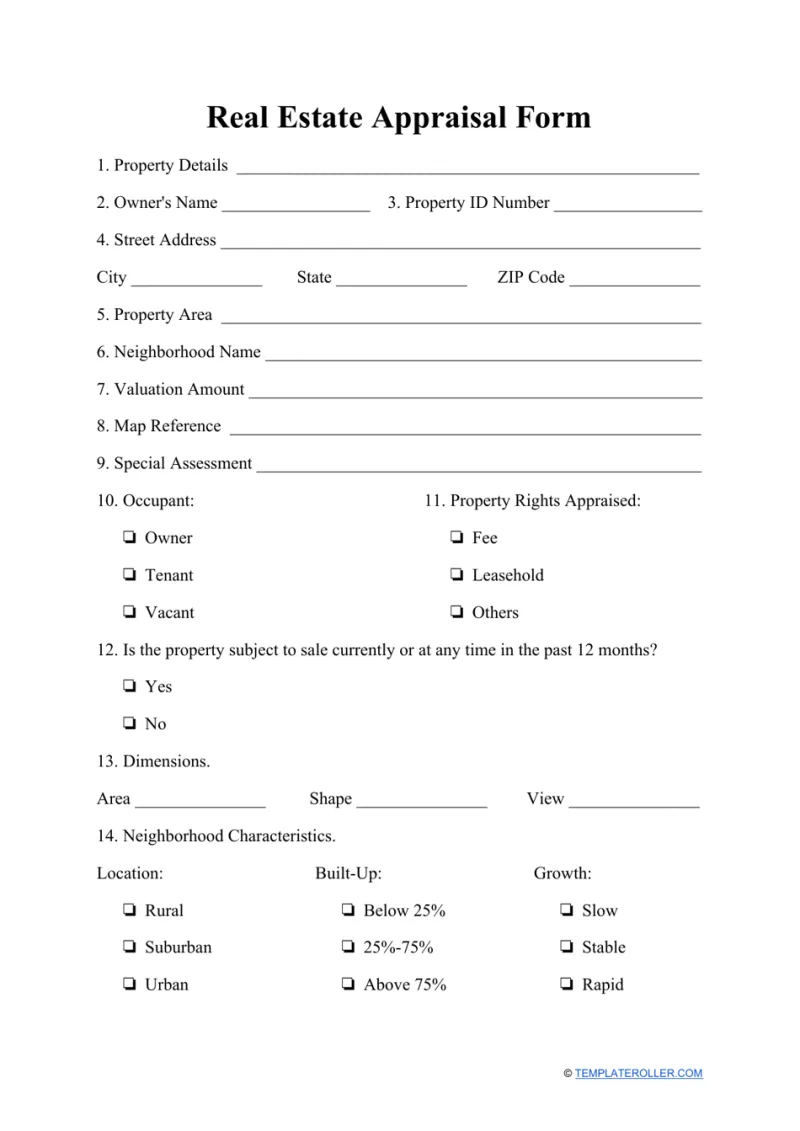
Photo: real estate appraisal document home valuation meeting, via data.templateroller.com
For many Central Pennsylvania homebuyers, the moment of reckoning arrives not at the negotiating table, but weeks later—when a lender's appraiser delivers a valuation that falls short of the agreed purchase price. It is a scenario that has become increasingly familiar across markets from Cumberland County to Dauphin and York, and it carries consequences that can unravel months of searching, bidding, and planning.
An appraisal gap occurs when a property's independently assessed value comes in below the price a buyer and seller have already agreed upon. Because mortgage lenders will only finance a loan based on the lower of the purchase price or the appraised value, any difference between the two must be resolved before the transaction can proceed. In a market where competition has pushed offer prices well above asking in many communities, this disconnect is no longer an edge case—it is a structural challenge that informed buyers must be prepared to confront.
Why Central Pennsylvania Homes Are Appraising Below Contract Price
The roots of this problem run deeper than any single market event. Central Pennsylvania experienced significant home price appreciation over recent years, driven by a combination of low inventory, increased demand from out-of-region buyers, and the continued influence of remote work flexibility. Prices in many neighborhoods moved faster than the comparable sales data—known as "comps"—that appraisers rely upon to substantiate their valuations.
Appraisers are required to anchor their assessments to recent, verifiable transactions in the immediate area. When home values rise sharply over a short period, the most recent comparable sales may reflect prices from three to six months prior—a window that can lag meaningfully behind current market conditions. In neighborhoods where inventory remains constrained and bidding wars are common, that lag creates a structural blind spot.
Additional complexity arises from the geographic diversity of Central Pennsylvania itself. Rural properties in Perry or Juniata County present a different set of comparability challenges than townhomes in suburban Harrisburg or single-family homes in the boroughs surrounding State College. Thin sales volume in smaller communities can force appraisers to draw comparisons from dissimilar markets or older transactions, further compressing appraised values relative to current buyer demand.
Market corrections also play a role. When buyer activity softens after a period of intense competition, sellers may still price properties at peak levels while appraisers—already cautious by professional obligation—begin incorporating more conservative signals into their analysis.
The Financial Stakes for Buyers and Sellers
The practical consequences of an appraisal gap depend largely on how much ground separates the two numbers and how each party is positioned financially.
For buyers, the immediate challenge is straightforward: the lender will not cover the gap. If a buyer has agreed to pay $340,000 for a property that appraises at $315,000, they must either bring an additional $25,000 to closing out of pocket, renegotiate the purchase price, or walk away from the deal. For buyers who have already stretched their cash reserves to meet a down payment, that shortfall can be prohibitive.
Sellers face a different set of pressures. Accepting a lower price may mean netting less from the sale than anticipated, particularly if they have already committed to purchasing another property. Returning to the market after a deal collapses carries its own risks—including the perception that something is wrong with the home—and the next buyer may face the same appraisal outcome.
In some cases, both parties absorb a portion of the gap through a negotiated price reduction combined with a buyer contribution, splitting the difference in a way that allows the transaction to proceed. However, this outcome requires goodwill and flexibility on both sides.
Strategies Buyers Can Use When an Appraisal Falls Short
Facing an appraisal gap is stressful, but it is not necessarily fatal to a transaction. Buyers who understand their options are better positioned to respond deliberately rather than reactively.
Request a Reconsideration of Value. Most lenders allow buyers to formally challenge an appraisal by submitting a reconsideration of value request. This process involves providing the appraiser with additional comparable sales that may not have been included in the original analysis. Buyers should work closely with their real estate agent to identify recent transactions that more accurately reflect current market conditions—particularly any sales that closed after the appraisal's effective date. While appraisers are not obligated to change their conclusions, a well-documented reconsideration can produce a revised valuation in cases where relevant data was genuinely overlooked.
Negotiate with the Seller. A price reduction is the most direct remedy. Sellers who are motivated to close—whether due to timeline pressures, an existing purchase contingency, or a desire to avoid relisting—may be willing to meet buyers partway or accept the appraised value outright. Buyers should enter this conversation with clear data and a measured tone, recognizing that sellers who believe in their property's value may resist significant concessions.
Cover the Gap with Additional Cash. Buyers with sufficient reserves may choose to bridge the gap themselves, paying the difference between the appraised value and the purchase price out of pocket. This approach is more feasible when the shortfall is modest relative to the buyer's overall financial position. It requires careful analysis of how covering the gap affects cash reserves post-closing, including funds needed for moving costs, immediate repairs, and an emergency fund.
Include an Appraisal Gap Clause in the Offer. In competitive markets, some buyers proactively include an appraisal gap clause when submitting an offer. This contractual provision commits the buyer to covering a specified dollar amount above the appraised value if a gap occurs. While this strategy signals strength to sellers and can make an offer more competitive, it should only be used when the buyer has genuinely assessed their capacity to absorb the potential exposure.
Order a Second Appraisal. In some circumstances, buyers may have the option to request a second appraisal, either through their lender or independently. This path is not universally available and involves additional cost, but it can be worthwhile when there is credible reason to believe the original appraisal was flawed or based on inadequate comparables.
Working with the Right Professionals
Perhaps the most effective defense against an appraisal gap is preparation that begins well before an offer is submitted. Buyers who work with experienced Central Pennsylvania real estate agents gain access to a more nuanced understanding of local pricing dynamics—including which neighborhoods are prone to valuation challenges and where recent sales activity provides robust comparables.
A knowledgeable agent can also help buyers set realistic expectations when formulating offers in heated markets, identifying the point at which an aggressive bid creates meaningful appraisal risk. That analysis is not always comfortable to deliver, but it is exactly the kind of counsel that protects buyers from costly surprises.
Lenders also vary in their appraisal management practices and their flexibility in handling reconsideration requests. Buyers who have not yet selected a lender should ask prospective loan officers directly how their institution handles appraisal disputes and what the reconsideration process looks like in practice.
Moving Forward with Confidence
An appraisal gap is one of the more disorienting obstacles a homebuyer can encounter—arriving late in the process, when emotional and financial investment is already substantial. But it is a solvable problem in many cases, provided buyers approach it with clear information and a willingness to explore the options available to them.
Central Pennsylvania's housing market continues to offer genuine opportunity for buyers at a range of price points. Understanding the mechanics of the appraisal process—and knowing how to respond when valuations fall short—is an essential part of navigating that market successfully.