What Nobody Tells You About the True Cost of Buying a Home in Central Pennsylvania

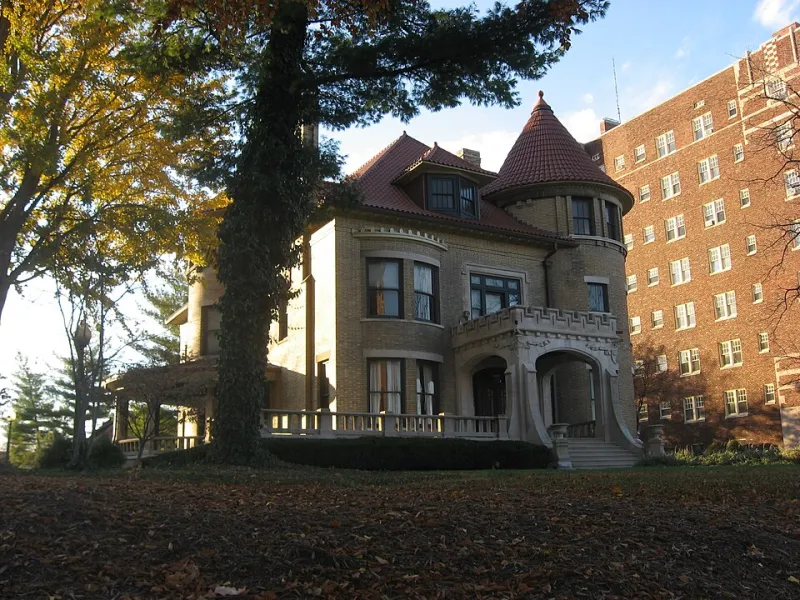
Photo: EU2017EE Estonian Presidency, CC BY 2.0, via Wikimedia Commons
For many families, the decision to purchase a home in Central Pennsylvania begins with an encouraging discovery: median home prices across the region remain considerably more accessible than those in Philadelphia, Pittsburgh, or the northeastern corridor. That affordability advantage is genuine and well-documented. What frequently catches buyers off guard, however, is the constellation of recurring and one-time costs that surround the purchase price itself.
Understanding those costs before you close — not after — is the difference between a smooth transition and a first year of financial strain. This guide walks through the expenses that matter most, organized by category, so that families relocating to the region can build a realistic household budget from the ground up.
Property Taxes: A County-by-County Reality Check
Pennsylvania's property tax structure is administered at the county and municipal level, which means the effective tax rate on an identical home can vary meaningfully depending on which side of a township line it sits. Across Central Pennsylvania, buyers will encounter a range of millage rates that reflect local school district funding obligations, municipal services, and county assessments.
In Dauphin County, which encompasses Harrisburg and its surrounding communities, the combined county, municipal, and school district millage can push effective rates toward 1.5 to 2.0 percent of assessed value for many properties. Cumberland County municipalities — including Camp Hill, Mechanicsburg, and Carlisle — tend to carry competitive rates, though school district levies in high-performing districts can elevate the overall burden. York and Lancaster counties each present their own internal variation, with rural townships frequently offering lower millage than borough centers.
Buyers should request the current tax bill for any property under consideration and verify the assessed value against the county's most recent reassessment cycle. Pennsylvania's county assessment practices are not uniform, and a property assessed at a fraction of its market value may appear to carry a low tax burden until a reassessment corrects the figure. Your real estate agent or settlement attorney can assist in interpreting the current assessment and projecting whether an appeal or correction is likely following purchase.
Homeowner's Insurance: What the Region's Weather Profile Means for Premiums
Central Pennsylvania sits in a region that experiences the full range of mid-Atlantic weather: humid summers, cold winters, periodic flooding along river corridors, and occasional severe storms. Each of these factors influences insurance underwriting.
Properties located near the Susquehanna River, Yellow Breeches Creek, or other waterways may fall within FEMA-designated flood zones, triggering a separate flood insurance requirement through the National Flood Insurance Program. Flood policies are purchased independently from standard homeowner's coverage and can add anywhere from several hundred to several thousand dollars annually, depending on the property's elevation and flood zone designation. Buyers should request a flood zone determination early in the due diligence process.
For properties outside flood zones, homeowner's insurance in Central Pennsylvania is generally competitive by national standards. Annual premiums on a median-priced single-family home typically range between $900 and $1,800, though older homes, those with aging roofing systems, or properties with wood-burning fireplaces may attract higher quotes. Obtaining multiple bids from insurers familiar with Pennsylvania's regulatory environment is advisable.
Utility Costs: Heating Is the Variable That Surprises Most Newcomers
Pennsylvania winters are cold enough that heating represents the dominant utility variable for most households. The fuel source a home uses — natural gas, propane, oil, or electric resistance — shapes the annual heating bill substantially.
Natural gas service is available across most of the Harrisburg metropolitan area and in the larger boroughs throughout the region. Homes with gas heat and modern, high-efficiency furnaces typically manage heating costs within a range that most buyers consider reasonable. Propane and heating oil, more common in rural areas without pipeline access, carry greater exposure to commodity price fluctuation and can produce notably higher bills during severe winters.
Buyers considering a home outside a natural gas service territory should request at least two years of utility records from the seller and contact the local provider to confirm current fuel pricing. The difference between a gas-heated home and an oil-heated home of comparable size can amount to $1,500 to $3,000 annually — a figure worth incorporating into any affordability calculation.
Electric and water service costs across the region are broadly consistent with national averages, though older homes with inadequate insulation or single-pane windows may present elevated electric bills in both summer and winter.
Settlement Costs: The One-Time Expenses at the Closing Table
Pennsylvania's settlement cost structure includes several line items that first-time buyers, and even experienced buyers relocating from other states, sometimes underestimate.
The state imposes a realty transfer tax of 1 percent of the sale price, and most municipalities levy an additional 1 percent at the local level, bringing the combined transfer tax to 2 percent in most Central Pennsylvania transactions. By convention, this cost is typically split equally between buyer and seller, though the allocation is negotiable. On a $300,000 purchase, the buyer's share of transfer taxes alone amounts to $3,000.
Title insurance, lender fees, prepaid homeowner's insurance, prepaid property taxes, and settlement or attorney fees collectively add another 2 to 3 percent of the loan amount in typical transactions. Buyers should request a Loan Estimate from their lender promptly after application and review it line by line with their real estate professional.
Moving and Transition Expenses: The Costs That Arrive Before the Keys Do
For families relocating from outside the region, professional moving costs represent a significant outlay that should be planned well in advance. Interstate moves to Central Pennsylvania from the Mid-Atlantic or Northeast typically range from $4,000 to $10,000 or more depending on household volume, distance, and timing. Summer moves command premium pricing; scheduling for late fall or winter, if circumstances permit, can reduce costs.
Temporary housing, storage, and travel expenses during the transition period add further to the picture. Buyers who are purchasing new construction or homes requiring pre-occupancy repairs should budget explicitly for overlap costs between their old housing payment and the new mortgage.
Building Your Complete Budget Before You Commit
A useful exercise before submitting any offer is to construct a twelve-month cost projection that includes the mortgage payment, property taxes, homeowner's and flood insurance (where applicable), projected utility costs, and a maintenance reserve. Financial planners commonly recommend setting aside 1 to 1.5 percent of a home's value annually for maintenance and repairs — a figure that rises for older properties.
Central Pennsylvania's overall cost of living remains one of its most compelling attributes for families arriving from higher-cost markets. Groceries, dining, childcare, and everyday services are generally priced favorably relative to the major metro areas. That context matters: the total financial picture, not any single line item, is what determines whether a move to the region strengthens or strains a household's position.
Buyers who take the time to assemble that complete picture before committing consistently report greater satisfaction with their decision — and fewer surprises in year one. Central Penn MLS is committed to providing the data and resources that make informed decisions possible.