Beyond the Surface: A Central Pennsylvania Buyer's Complete Guide to Home Inspections
Purchasing a home in Central Pennsylvania is an exciting milestone, but the path from accepted offer to closing table is rarely without its surprises. Among the most revealing steps in that journey is the home inspection — a professional evaluation that can expose hidden problems, inform negotiation leverage, and, in some cases, save a buyer from a costly mistake. In a region where housing stock spans everything from 19th-century stone farmhouses to mid-century brick colonials, understanding what a qualified inspector looks for is not optional knowledge. It is foundational.
Why Central Pennsylvania Demands a Closer Look
Not all real estate markets are created equal, and Central Pennsylvania presents a distinctive set of conditions that amplify the importance of a rigorous inspection. The region's climate — characterized by humid summers, frigid winters, and a history of seasonal flooding along river corridors like the Susquehanna — creates specific vulnerabilities that buyers from other parts of the country may not anticipate.
Beyond climate, the age of the housing supply matters enormously. Many properties in communities such as Lancaster, York, Harrisburg, and the surrounding townships were built well before modern building codes existed. That history brings character, certainly, but it also brings structural idiosyncrasies and material choices that require expert evaluation.
Foundation Issues: The Stone Beneath the Story
Few inspection concerns carry more financial weight than foundation problems, and in Central Pennsylvania, this is a particularly relevant conversation. A significant portion of older homes in the region — especially rural farmhouses and early 20th-century in-town properties — were constructed on rubble stone or limestone foundations. These materials were effective in their time, but decades of moisture infiltration, freeze-thaw cycles, and settling soil can cause serious deterioration.
During an inspection, your professional should examine the foundation walls for bowing, horizontal cracking, efflorescence (the white mineral deposits left by water migration), and evidence of active water intrusion. Vertical cracks in poured concrete foundations often indicate settling and may be manageable, but horizontal cracking in block or stone walls is a more serious structural signal.
Buyers should ask their inspector directly: Is this cosmetic, or does this require an engineer's assessment? When in doubt, a structural engineer's evaluation — typically a few hundred dollars — is money exceptionally well spent before committing to a purchase.
Water Damage and Moisture Intrusion
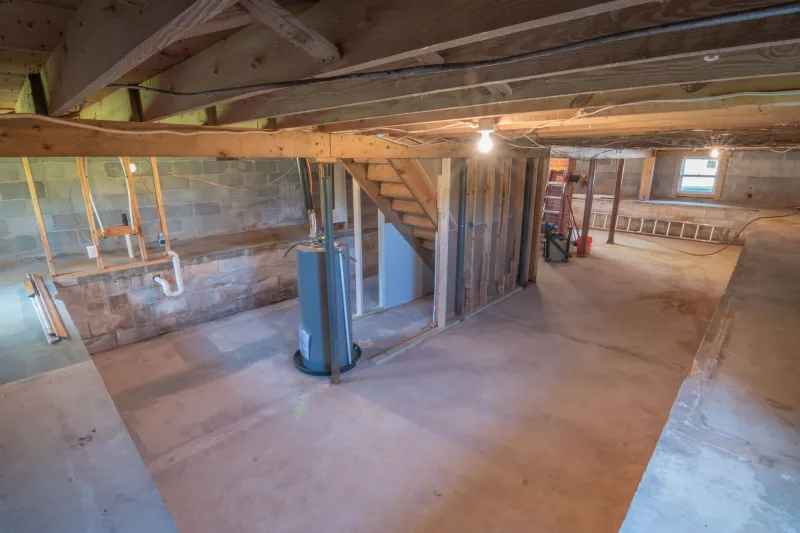
Central Pennsylvania's humidity levels and the region's proximity to flood-prone waterways make moisture intrusion one of the most common issues inspectors encounter. Basements and crawl spaces are frequent trouble spots. Look for staining along basement walls, musty odors, efflorescence on masonry, or evidence of sump pump activity — all of which suggest a history of water management challenges.
In flood-plain communities along the Susquehanna, Juniata, and Yellow Breeches rivers, buyers should request a flood zone determination and inquire about the property's flood history. Even homes that sit just outside a designated flood zone can experience water intrusion during significant storm events. A thorough inspector will examine grading around the foundation, downspout discharge, and window well drainage as part of a comprehensive moisture assessment.
Roof condition ties directly to moisture risk as well. Pennsylvania's winter ice damming and heavy spring rains accelerate wear on roofing materials. Ask the inspector to note the approximate age of the roof, identify any visible deterioration, and flag any interior ceiling staining that might indicate past or active leaks.
Radon: The Region-Specific Risk You Cannot Afford to Skip
Pennsylvania consistently ranks among the states with the highest radon concentrations in the United States, and Central Pennsylvania sits in one of the more elevated-risk zones in the commonwealth. Radon is a naturally occurring radioactive gas that seeps into homes through foundation cracks and gaps, and long-term exposure is the second leading cause of lung cancer in the country.
The Pennsylvania Department of Environmental Protection recommends radon testing for all home purchases, and in Central Pennsylvania, this recommendation carries particular urgency. Radon testing is typically conducted as a short-term test (48 hours) during the inspection period. If results exceed the EPA's action level of 4 picocuries per liter, mitigation is required — a process that generally costs between $800 and $2,500 and is highly effective when properly installed.
Buyers should never waive radon testing as a cost-saving measure. In this region, it is a non-negotiable component of due diligence.
Aging Systems: Electrical, Plumbing, and HVAC
Older homes carry older systems, and Central Pennsylvania's housing stock is no exception. Inspectors frequently encounter knob-and-tube wiring in pre-1950s homes, galvanized steel plumbing that has reached or exceeded its functional lifespan, and heating systems that predate modern efficiency standards.
Knob-and-tube wiring is not automatically disqualifying, but it is a material fact that affects homeowners insurance eligibility and future renovation costs. Similarly, galvanized pipes that show corrosion or reduced water pressure signal an impending replacement — a project that can run into the thousands depending on the scope of the work.
HVAC systems deserve particular scrutiny. Ask the inspector to document the age and condition of the furnace, air conditioning unit, and water heater. A furnace within a few years of the end of its expected service life is a legitimate negotiation point, even if it is still technically operational at the time of inspection.
What Inspection Results Should Make You Reconsider
Not every inspection finding warrants walking away from a purchase, but certain categories of concern should prompt serious reflection. Among the most significant:
- Active structural compromise, including significant foundation movement or evidence of load-bearing wall alterations without permits
- Extensive mold remediation needs, particularly in living areas or HVAC systems
- Failing or undersized septic systems on properties not connected to municipal sewer
- Unsafe electrical panels, including recalled Federal Pacific Stab-Lok or Zinsco panels, which present documented fire hazards
- Environmental contamination, such as underground oil storage tanks common on older rural properties
When any of these issues surface, buyers have options: negotiate a price reduction, request repairs prior to closing, or, in cases where the scope is genuinely uncertain, request a contingency extension to obtain specialist assessments. What buyers should avoid is minimizing findings in the enthusiasm of the moment.
Making the Inspection Work for You
Attend the inspection in person whenever possible. A written report is valuable, but watching a qualified professional demonstrate a concern — pointing to a crack, running a moisture meter along a wall, or showing you the age stamp on a water heater — provides context that photographs alone cannot convey. Come prepared with questions, and do not hesitate to ask for plain-language explanations of technical findings.
Choose an inspector who carries errors and omissions insurance and holds certification through a recognized professional organization such as the American Society of Home Inspectors (ASHI) or the International Association of Certified Home Inspectors (InterNACHI). In Pennsylvania, home inspectors are required to be licensed under the Home Inspection and Certification Act, so verifying licensure is a straightforward first step.
At Central Penn MLS, we believe that an informed buyer is a protected buyer. The inspection process, approached seriously and with regional awareness, is among the most powerful tools available to anyone navigating the Central Pennsylvania real estate market. Treat it accordingly.